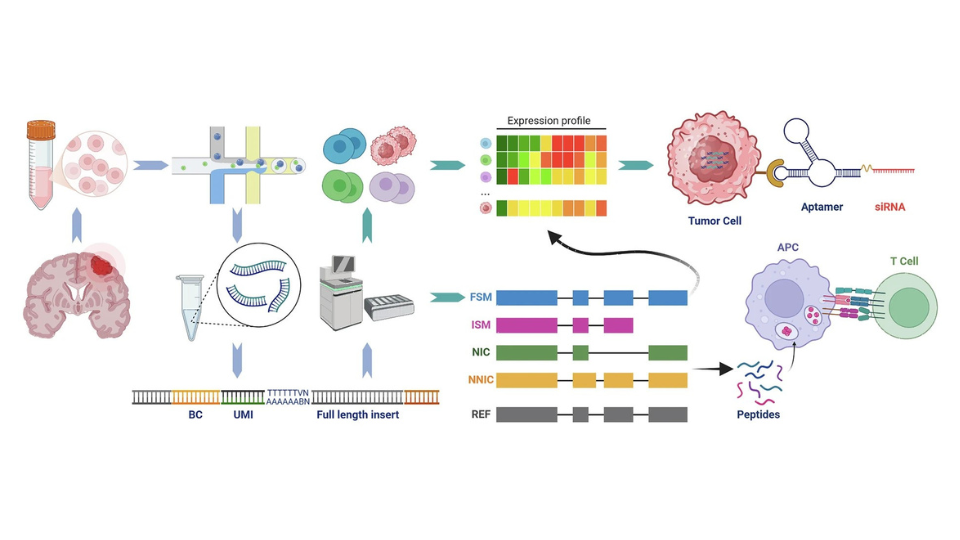
A team set out to build the most comprehensive map to date of the "isoform landscape" of glioblastoma to uncover treatment opportunities that conventional approaches have missed.
Once thought to be rare, horizontal gene transfer is now known to occur across nearly all branches of life and plays a key role in how life adapts in fast and sometimes surprising ways.

What could possibly link a sheep illness called scrapie, a disease associated with cannibalism called Kuru, and a neurodegenerative disease called Creutzfeldt-Jakob disease? These fatal diseases occur in different species, and yet share a chilling commonality.
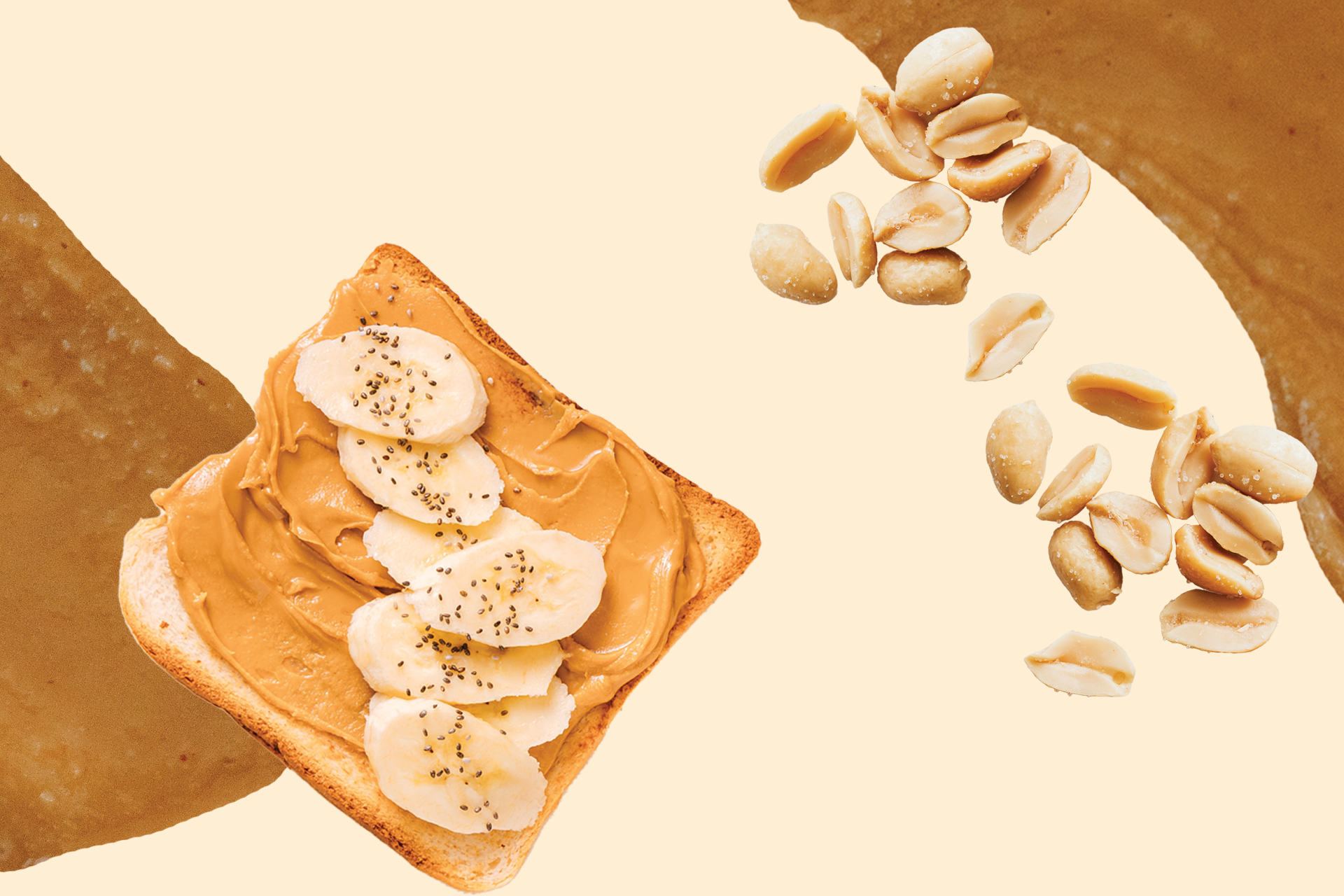
In the past, "treatment" of peanut allergy was largely limited to complete avoidance. However, recent studies have brought forward a treatment to increase the body’s tolerance to peanuts by exposing the infant to an increasing amount of peanut antigen.
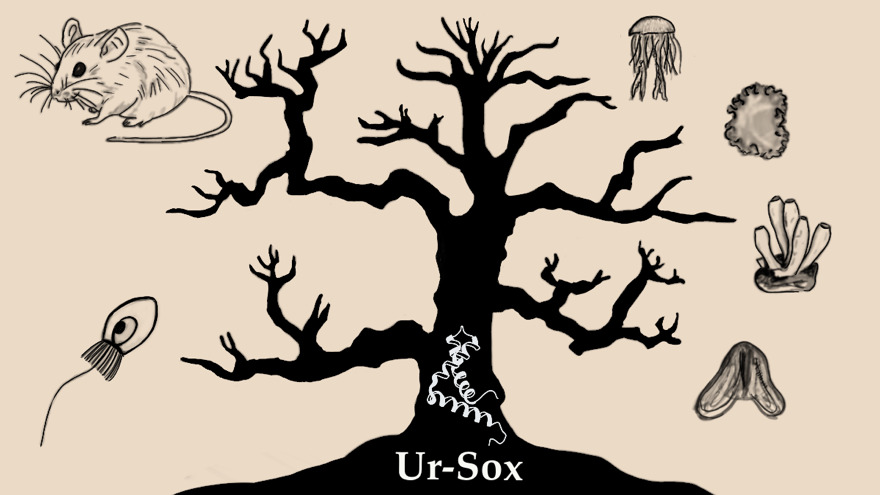
By studying which molecular toolkit nature uses today across diverse branches of the three of life, we can better understand and make inferences about which molecules were used by the cells we all stem from.
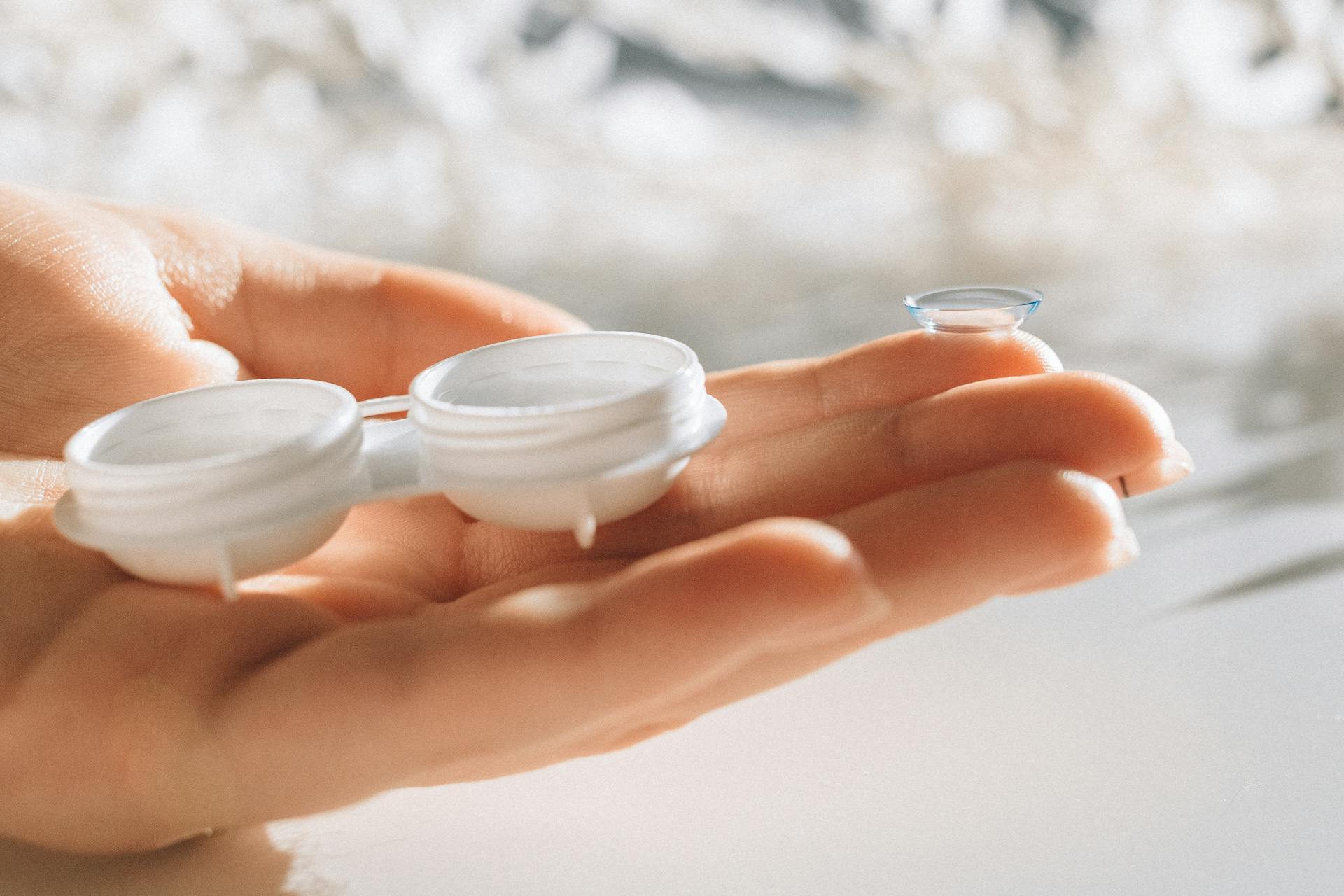
Learn about the history of contact lenses and see how bioengineers increase their oxygen transmissibility and hydrophilicity.

The introduction of 0.23T low-field magnetic resonance imaging technology and a one-stop acute stroke management model in Hong Kong aims to enhance the efficiency and effectiveness of acute stroke diagnosis and treatment process.
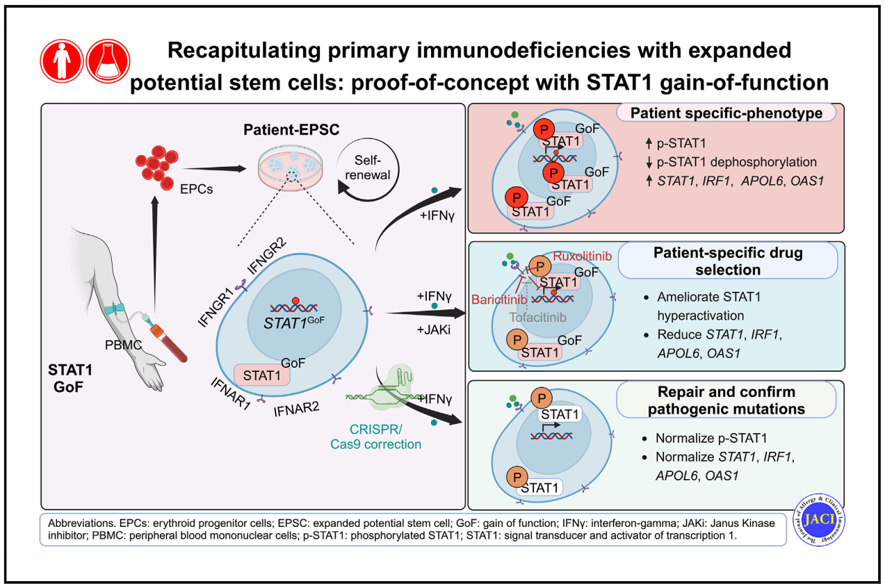
To date, about 500 primary immunodeficiencies are known, but the list is growing yearly as new diseases emerge. A collaborative research team has pioneered a new stem cell model to help personalise treatment for patients suffering from rare forms of immunodeficiency.